Emergency Basic Needs Challenge Grant Opportunity
For many families in southwestern Pennsylvania, even a single unexpected $400 expense—a car repair, a utility shut-off notice, or a medical bill—can trigger a downward spiral. Serving partner families across Allegheny County—73.7% of whom live below the Federal Poverty Level— our Emergency Basic Needs (EBN) Program offers strategic, one-time grants of up to $500 that prevent immediate crises. Last year, hundreds of families were able to keep the lights on, remain in their homes, and stay connected to work because of the EBN Program. Yet due to limited resources, we were only able to meet 9% of the requests we received, leaving far too many neighbors in urgent need turned away.
This month, we have an exciting opportunity to increase the capacity of the EBN program and meet the needs of more women and families in crisis. The Jack Buncher Foundation has offered a one-time challenge grant of up to $20,000—giving $1 for every $2 raised by our community. This unique opportunity can generate up to $60,000 in funding for the EBN Program. As of today, we have $8,134 left to raise from our community in order to unlock this grant by March 31.
This is a moment when your generosity can be amplified. Every $2 you give can help to unlock $1 more in additional funds. Together, we can keep families safe, stable, and moving forward. Will you help us meet our goal by March 31?
A Turning Point for a Local Mother
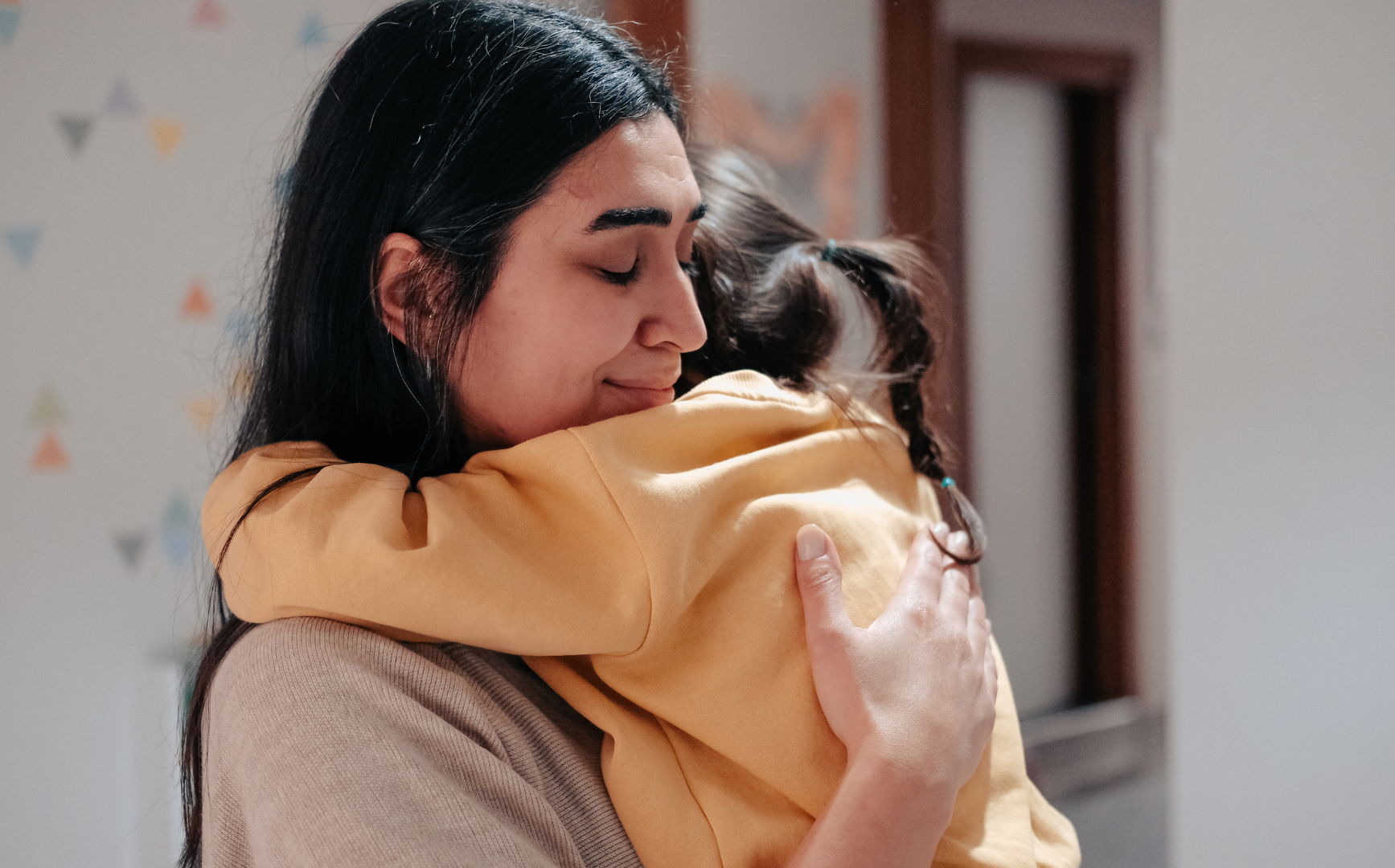
Emily, a 27‑year‑old mother of three, came to YWCA Greater Pittsburgh after leaving an abusive relationship. Her abuser had not only controlled her movements but also her finances—taking away her car, limiting her ability to work, and trapping her in a cycle of fear and mounting bills.
When Emily finally found the strength to leave, she was free, but the financial fallout threatened her newly regained safety. Through the EBN Program, Emily received critical assistance to cover overdue utilities, helping her stabilize her home and begin rebuilding her life.
“This grant helped me get back on track so I can work, get a house for my kids, and not worry about falling behind again,” she shared. “It was more than just the bills—it gave me the chance to stand on my own two feet again.”
Emily’s story is one of hundreds: women and families turning to us at the most vulnerable moment in their lives—and finding hope, safety, and a path forward.